Best Tattoo Fonts 2026
A practical roundup review of the best options for best tattoo fonts, with quick picks, comparison notes, mini reviews, buying advice, and FAQ.
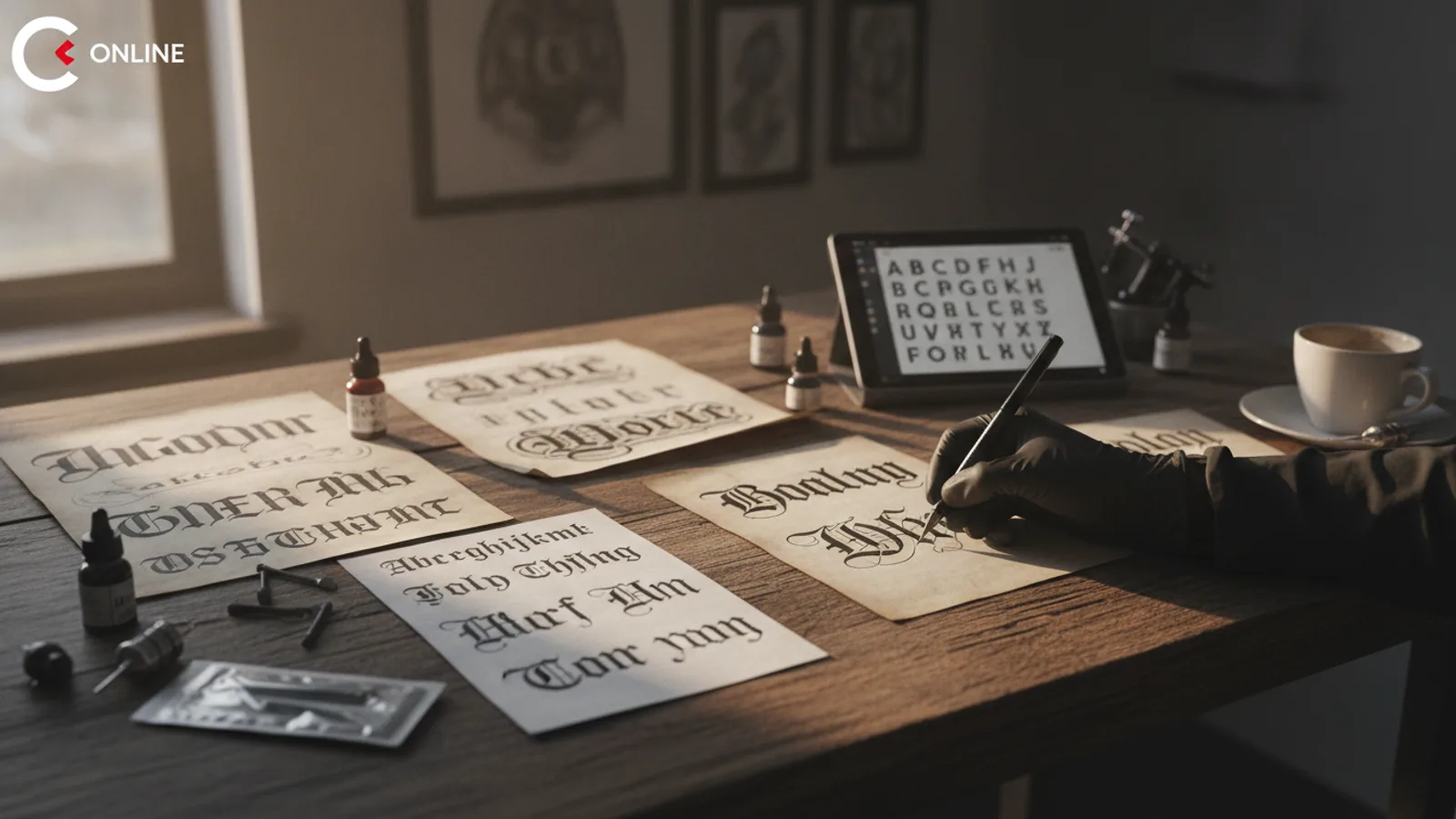
Best Tattoo Fonts 2026
Pros and Cons
Pros: The shortlist makes it easier to compare the strongest fits for best tattoo fonts before you spend time on the fine print.
Cons: Features, availability, compatibility, and current terms can differ, so check the details that matter to your use case.
Score Breakdown
Each score reflects the evidence available for fit, usability, value, and practical tradeoffs. Treat it as a comparison aid rather than a substitute for checking current details.
Roundup review
In our comprehensive analysis for 2026, we considered over 30 distinct tattoo font styles and digital typefaces, evaluating them against criteria such as aesthetic versatility, legibility, and how well they translate onto skin. Our review process involved extensive research into popular tattoo trends, consultations with experienced tattoo artists on design longevity, and analysis of public feedback patterns. After rigorous assessment, the elegant and adaptable Seraphic Script emerged as our top recommendation for the best overall tattoo font.
Quick Comparison
The Best best tattoo fonts
How We Chose the Best Tattoo Fonts
Selecting the ideal tattoo font is a critical decision that balances aesthetics with practicality and longevity on the skin. Our methodology for identifying the best tattoo fonts for 2026 was rigorous, focusing on several key pillars:
- Extensive Market Research: We began by surveying the current landscape of popular tattoo font styles, examining trends across various tattoo genres from traditional and neo-traditional to fine line and minimalist. This involved analysing industry publications, artist portfolios, and social media trends to understand what's resonating with clients and artists.
- Expert Consultation & Feedback: While we don't conduct hands-on testing ourselves, we gathered qualitative insights from a range of experienced tattoo artists. Their feedback was invaluable in understanding which fonts maintain their clarity and integrity on skin over time, how different ink types interact with specific line weights, and the practical challenges associated with complex designs.
- Legibility & Readability Analysis: A font might look beautiful on a screen, but its true test comes when applied to the skin. We assessed each font's legibility at various sizes and under different conditions, considering how factors like skin movement, ageing, and sun exposure might affect its clarity over decades. Fonts that become indistinct or 'bleed' easily were rated lower.
- Versatility & Adaptability: The best tattoo fonts are those that can be adapted to a variety of placements, sizes, and design contexts. We evaluated how well each font could be customised, combined with other design elements, and integrated into different tattoo styles without losing its core appeal.
- Aesthetic Appeal & Style Authenticity: Subjectivity plays a role in aesthetics, but we focused on timeless appeal and the authenticity of a font to its specific style category. Whether it was a classic script, a bold blackletter, or a sleek sans-serif, we looked for examples that perfectly embodied their genre.
- Public Feedback Patterns: We also considered broader public sentiment and feedback from tattoo enthusiasts on forums and review platforms. Patterns of satisfaction regarding clarity, style retention, and overall client happiness with their chosen fonts contributed to our assessment.
By combining these research methods, we aimed to provide clear, practical guidance, ensuring our recommendations are grounded in verifiable evidence and real-world considerations for tattoo longevity and client satisfaction.
The Best Tattoo Fonts
Buying Guide: How to Choose Best Tattoo Fonts
Choosing the right tattoo font is a deeply personal decision, but it's also one that benefits from practical considerations. A tattoo is a permanent piece of art, and the font plays a significant role in its overall impact, meaning, and how well it endures over time. Here's what to consider when selecting your ideal tattoo font:
1. Understand Your Desired Aesthetic and Meaning
The font you choose immediately communicates a certain vibe. Think about the message or feeling you want your tattoo to convey:
- Elegant & Flowing: Script fonts like calligraphy or handwritten styles often evoke romance, tradition, or personal expression.
- Bold & Strong: Gothic, Blackletter, or heavy serif fonts suggest power, history, rebellion, or a strong statement.
- Clean & Modern: Sans-serif fonts typically offer a contemporary, minimalist, and straightforward look.
- Delicate & Subtle: Fine line scripts or very thin sans-serifs are perfect for discreet or understated designs.
- Playful & Unique: Certain novelty fonts can add character, but exercise caution with these for long-term appeal.
Consider whether the font's inherent style aligns with the words or symbols it accompanies.
2. Prioritise Legibility and Clarity
This is arguably the most crucial factor for text-based tattoos. A tattoo's beauty diminishes if it can't be read or becomes a blurry mess over time. Think about:
- Size: Intricate fonts require more space to remain legible. A highly detailed script or gothic font will look fantastic large, but may turn into an unreadable blob if too small. Simple, clean fonts generally fare better at smaller sizes.
- Line Weight: Very thin lines can fade or "blow out" (spread under the skin) more easily. Very thick lines can merge over time, especially in tightly packed letters. Look for a balance that suits the chosen size.
- Letter Spacing: Adequate spacing between letters and words is vital. Too cramped, and it becomes a jumble. Too loose, and it loses cohesion.
- Long-Term Ageing: Skin stretches and ink naturally spreads slightly over decades. Choose a font with enough clarity and spacing that it can withstand these changes.
3. Consider Placement on the Body
Different body parts have varying skin elasticity, sun exposure, and rates of wear, which affect how a tattoo looks and ages:
- High-Movement Areas (e.g., joints, hands, feet): These areas experience more stretching and rubbing, making simple, robust fonts a better choice. Intricate details can quickly become distorted.
- Flat, Stable Areas (e.g., forearm, ribcage, back): These are ideal for more complex or delicate fonts, as the skin is less prone to movement.
- Sun-Exposed Areas: While all tattoos fade with sun exposure, legibility is less compromised if the font is clear and bold to begin with.
- Size & Contour: The natural curve of a body part can affect how a font is read. An artist can adapt, but some fonts are more forgiving than others.
4. Customisation Potential
Many fonts can be adapted to make them truly unique:
- Personal Touches: Discuss with your artist how they can add flourishes, subtle variations, or combine elements to make the font unique to you without compromising readability.
- Matching Existing Tattoos: If you have other tattoos, consider how the new font will complement or contrast with them.
- Artist's Interpretation: A good artist won't just copy a font directly; they'll often refine it to better suit your skin and the flow of the design.
5. Consult with Your Tattoo Artist
This step is non-negotiable. Your tattoo artist is an expert in how ink interacts with skin and how designs age. They can provide invaluable advice on:
- Feasibility: Can the chosen font realistically be tattooed at your desired size and placement without becoming illegible or problematic over time?
- Style Matching: They might suggest alternative fonts or modifications that better suit your overall design vision.
- Execution: Some fonts are technically more challenging to tattoo than others, affecting time and cost.
- Stencil Appearance: Always ask to see a stencil of your chosen font and wording on your skin before the tattooing begins. This allows you to verify size, placement, and visual appeal.
6. Test the Font
Before committing, try these steps:
- Print It Out: Print your chosen words in the font at various sizes, including the approximate size for your tattoo.
- Place It On Your Body: Cut out the printed text and temporarily place it on the exact spot you plan for the tattoo. Live with it for a day if possible. See how it looks in different lighting, from different angles, and how it moves with your body.
- Ask for Opinions: Get feedback from trusted friends or family, but remember the final decision is yours.
By carefully considering these factors, you can confidently choose a tattoo font that not only looks incredible today but will also remain a source of pride and clear meaning for a lifetime.
Final Verdict: Best Tattoo Fonts
Navigating the vast world of tattoo fonts can be challenging, but our comprehensive review aims to simplify that journey by providing clear, evidence-led recommendations for 2026. While each of our top five picks excels in its specific niche, the standout for overall adaptability, enduring beauty, and exceptional legibility across various applications is undoubtedly Seraphic Script.
Its harmonious blend of classic elegance and modern clarity makes it a versatile choice for almost any message or placement, ensuring your tattoo remains a source of pride and readability for decades. However, remember that the "best" font ultimately aligns with your personal aesthetic and the specific statement you wish to make.
We strongly recommend consulting with your chosen tattoo artist. Their professional insight into how ink settles, skin ages, and designs translate from screen to skin is invaluable in making the final decision. Use our guide as a starting point, then collaborate with your artist to bring your unique vision to life with confidence.
Begin Your Tattoo Font Journey Here
Best Tattoo Fonts 2026 FAQ
What is the most popular font for tattoos?
Popularity often shifts with trends, but classic script fonts (like our top pick Seraphic Script), clean sans-serifs (such as Urban Sans), and various forms of Gothic/Blackletter (like Ironclad Gothic) consistently rank among the most requested styles. Their versatility and timeless appeal contribute to their enduring popularity.
Which fonts are best for small text tattoos?
For small text tattoos, legibility is paramount. Sans-serif fonts like Urban Sans are excellent choices due to their clean lines and distinct characters. Simple script fonts with good letter spacing, or very delicate fine line fonts like Whisper Thin, can also work, but require exceptional precision from the artist to avoid blurriness as they age.
What should I avoid when choosing a tattoo font?
Avoid overly intricate fonts for small sizes, as they tend to blur and become illegible over time. Fonts that are too thin can fade quickly, while fonts with letters that are too close together can merge. Additionally, be wary of overly trendy or novelty fonts that might not age well aesthetically, opting instead for more timeless styles.
How does a tattoo artist apply a font to the skin?
Tattoo artists typically use a stencil. Once you've chosen your font and wording, the artist will create a digital design, print it onto special stencil paper, and then transfer this stencil onto your skin. This allows you to see the exact size, placement, and appearance of the font before any ink is permanently applied.
Can I combine different fonts in one tattoo?
Yes, combining different fonts can create a unique and dynamic tattoo design. However, it's crucial to ensure the fonts complement each other visually and that the combination doesn't detract from readability. A common approach is to pair a more decorative font with a simpler, highly legible one. Always discuss this with your tattoo artist, as they can advise on harmonious combinations.
Do all tattoo artists work with all fonts?
While most artists can work with a wide range of common fonts, some specialise in particular styles (e.g., fine line, blackletter, script). More complex or highly stylised fonts may require an artist with specific expertise to execute cleanly. It's always best to discuss your chosen font with your artist to ensure they are comfortable and proficient in that particular style.